Maryland Marketing Partnership - Website Project
Two Great Websites. One Great Partnership.
How do you attract top talent and businesses to Maryland?





Client Challenge
The Maryland Marketing Partnership (MMP) needed a clearer, more compelling digital ecosystem, including a refreshed business site that appealed to both professionals and businesses considering Maryland, as well as a microsite to attract talent in tech and healthcare.
Planit's Solution
Planit implemented a dual-site web development strategy to meet the distinct needs of Maryland’s workforce and business audiences. We built LiveWorkMaryland.com from the ground up on WordPress, using a flexible design system and component-based architecture to support future content growth and campaign integration. For business.maryland.gov, we re-platformed the site to WordPress as well, replacing a slow, unmanageable CMS with a scalable, modern backend. Shared design patterns and custom functionality to ensure consistency, maintainability, and performance across both sites.
We began by launching the LiveWorkMaryland.com microsite: a dynamic, storytelling-forward platform built to inspire young professionals, recent graduates, and tech talent to consider Maryland for their next move. The site integrated seamlessly with MMP’s ongoing campaign creative and emphasized emotional connection, high-impact visuals, and data-backed content modules like regional highlights, salary insights, and real-life testimonials.
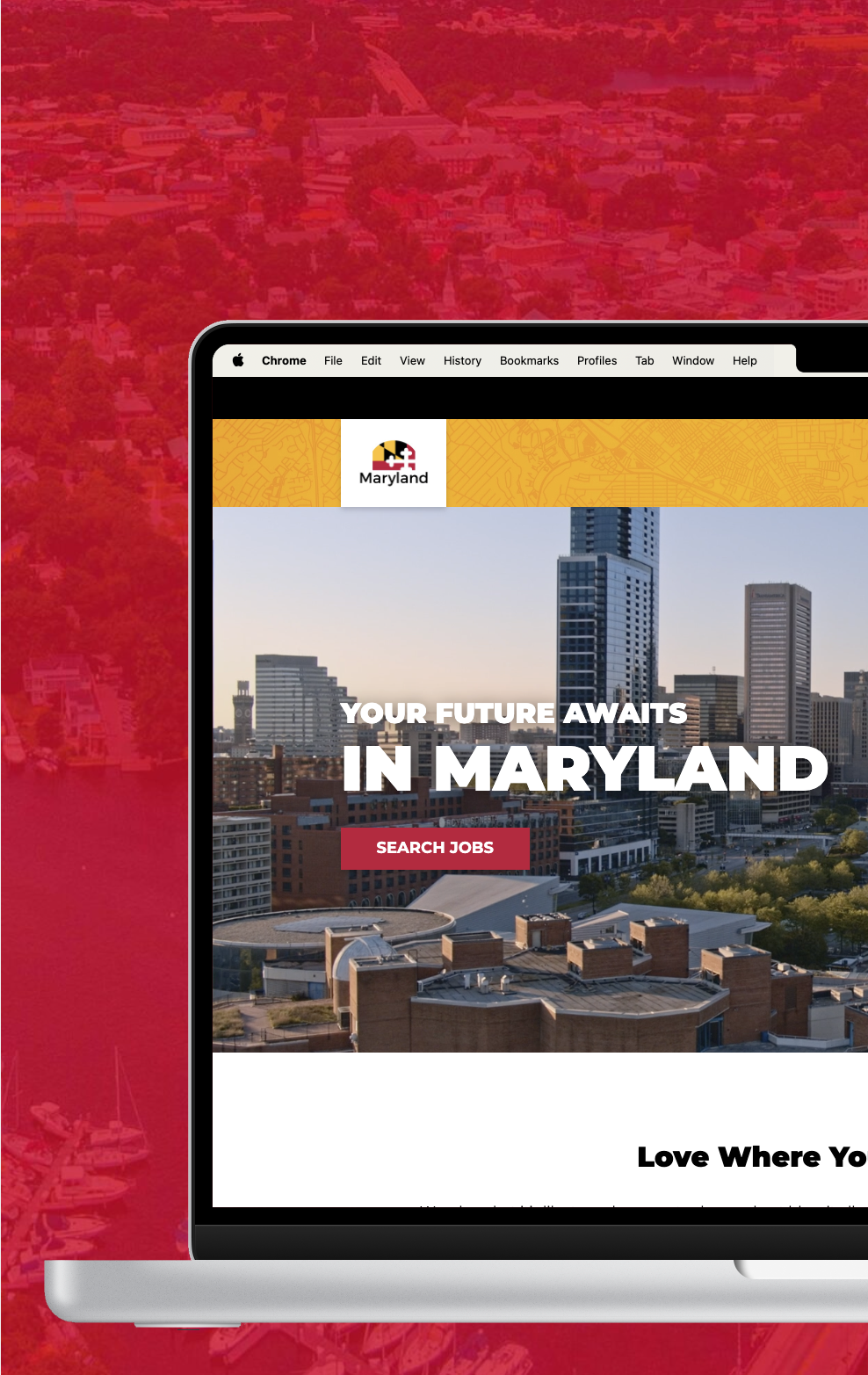
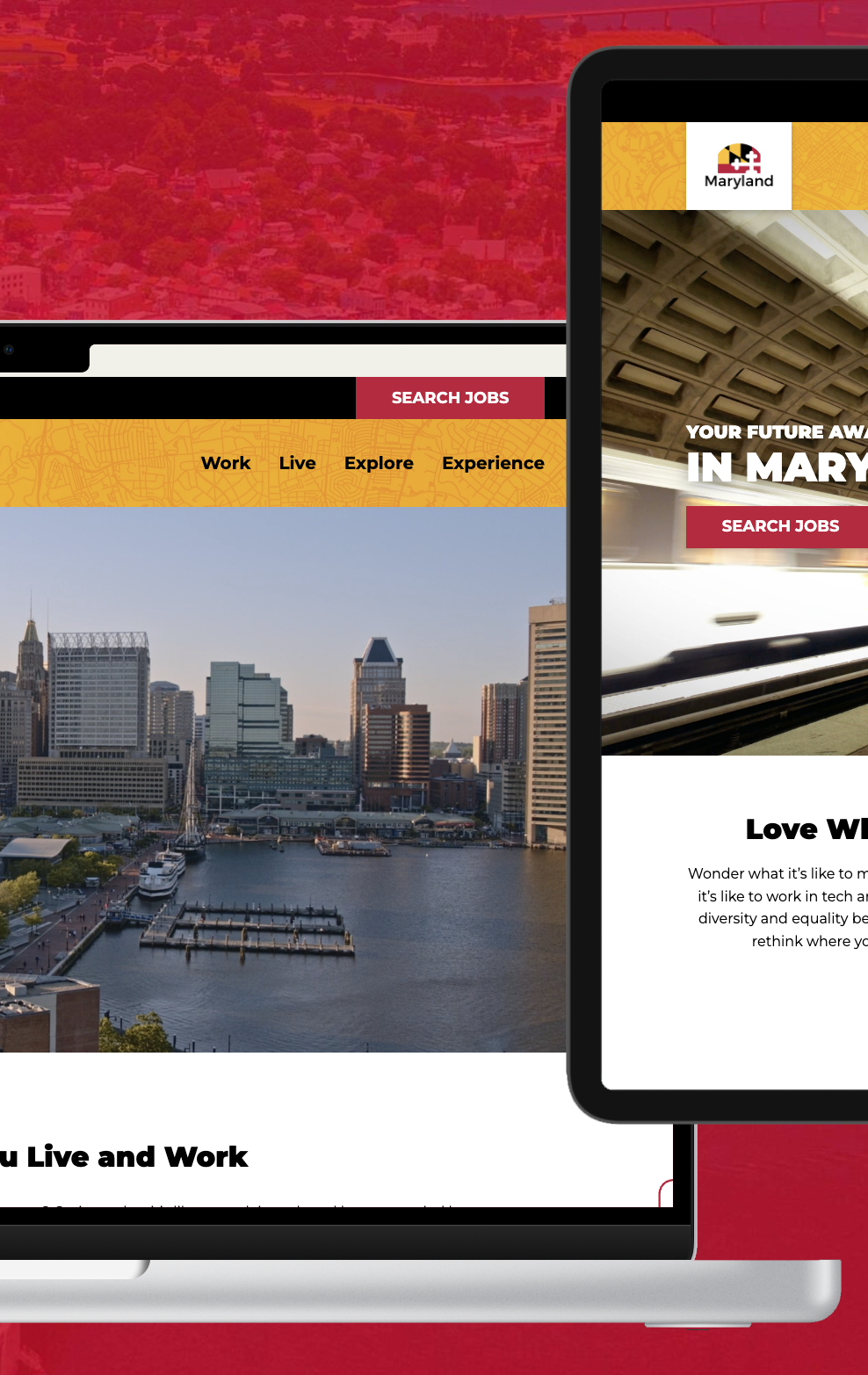
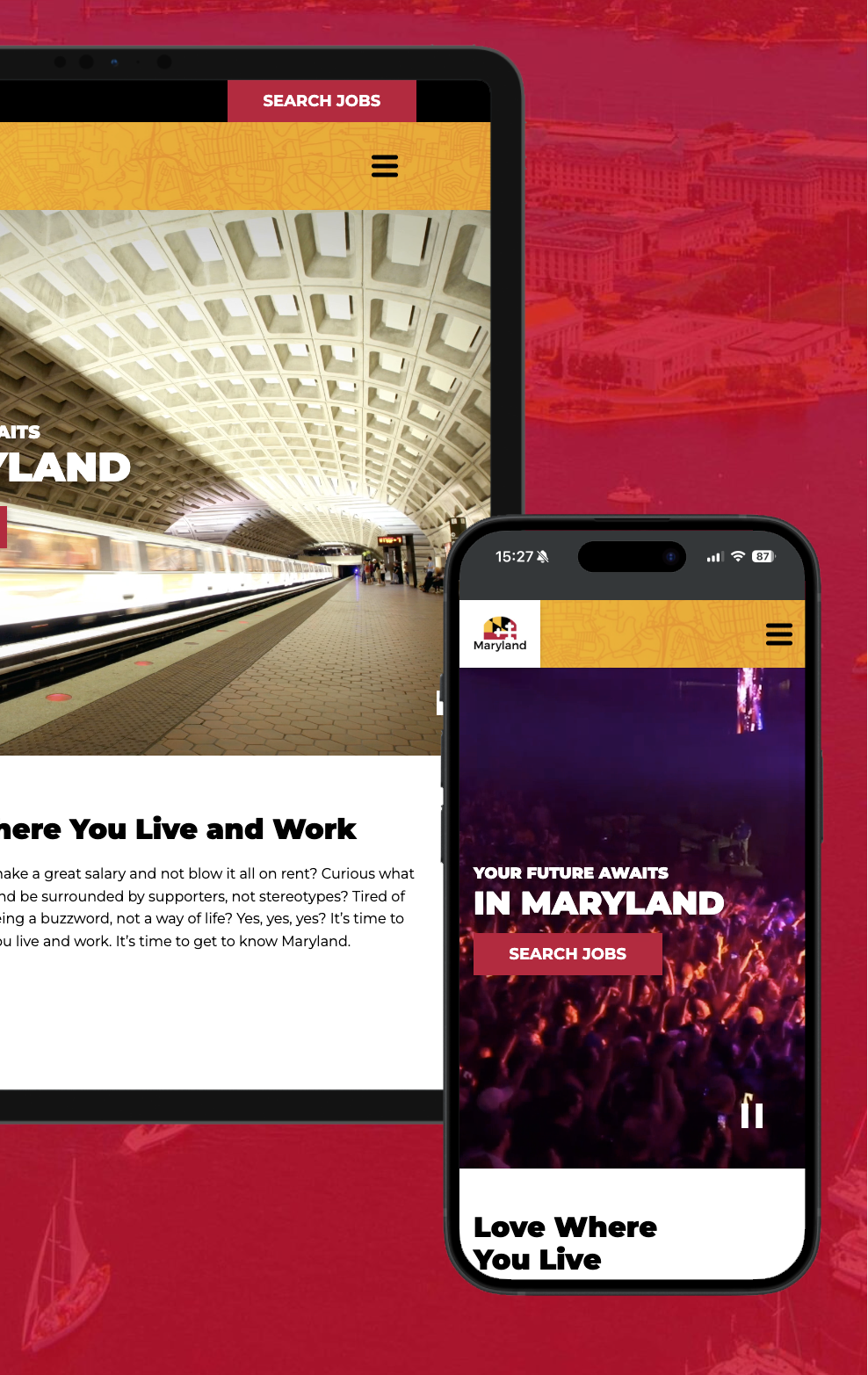
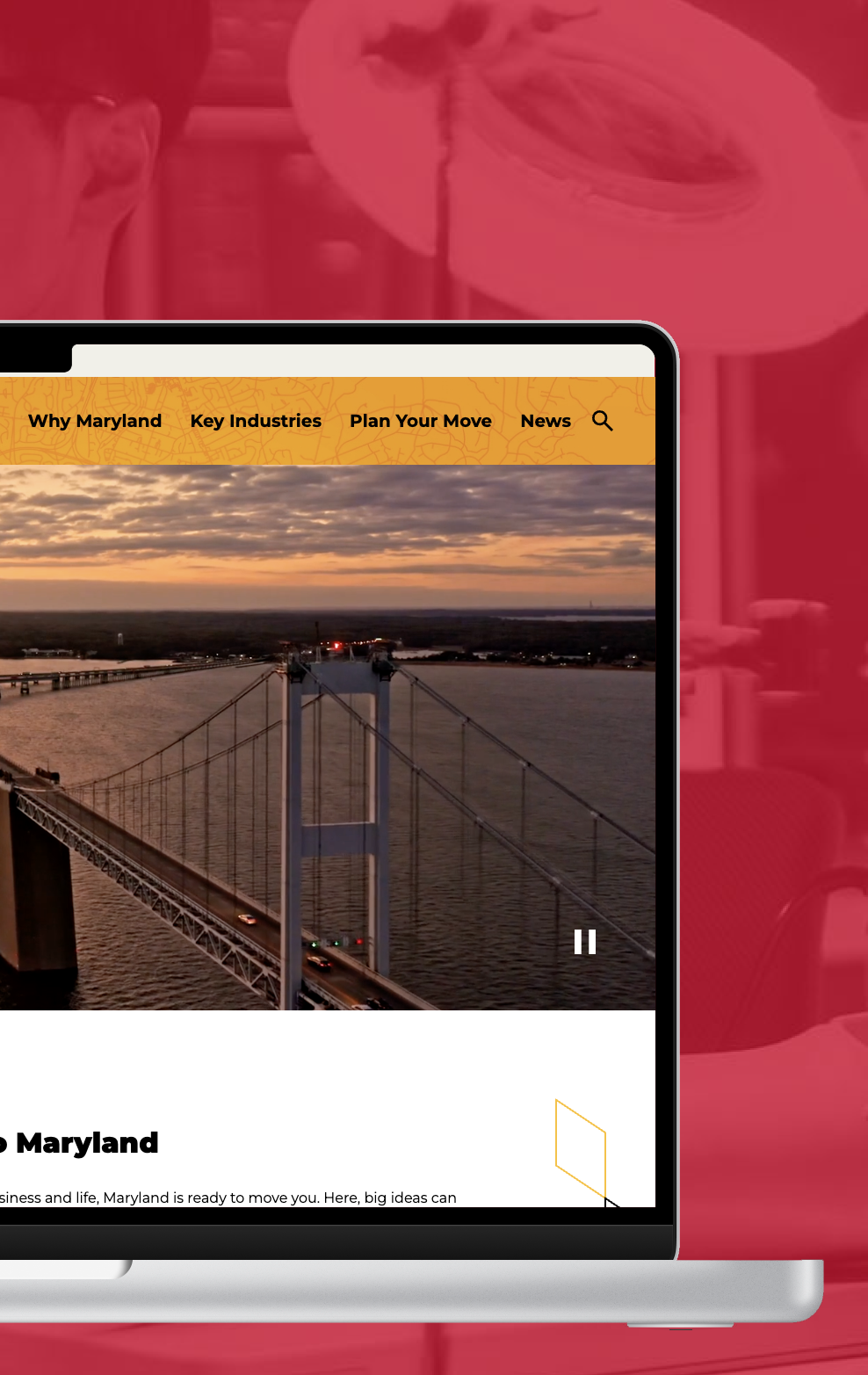
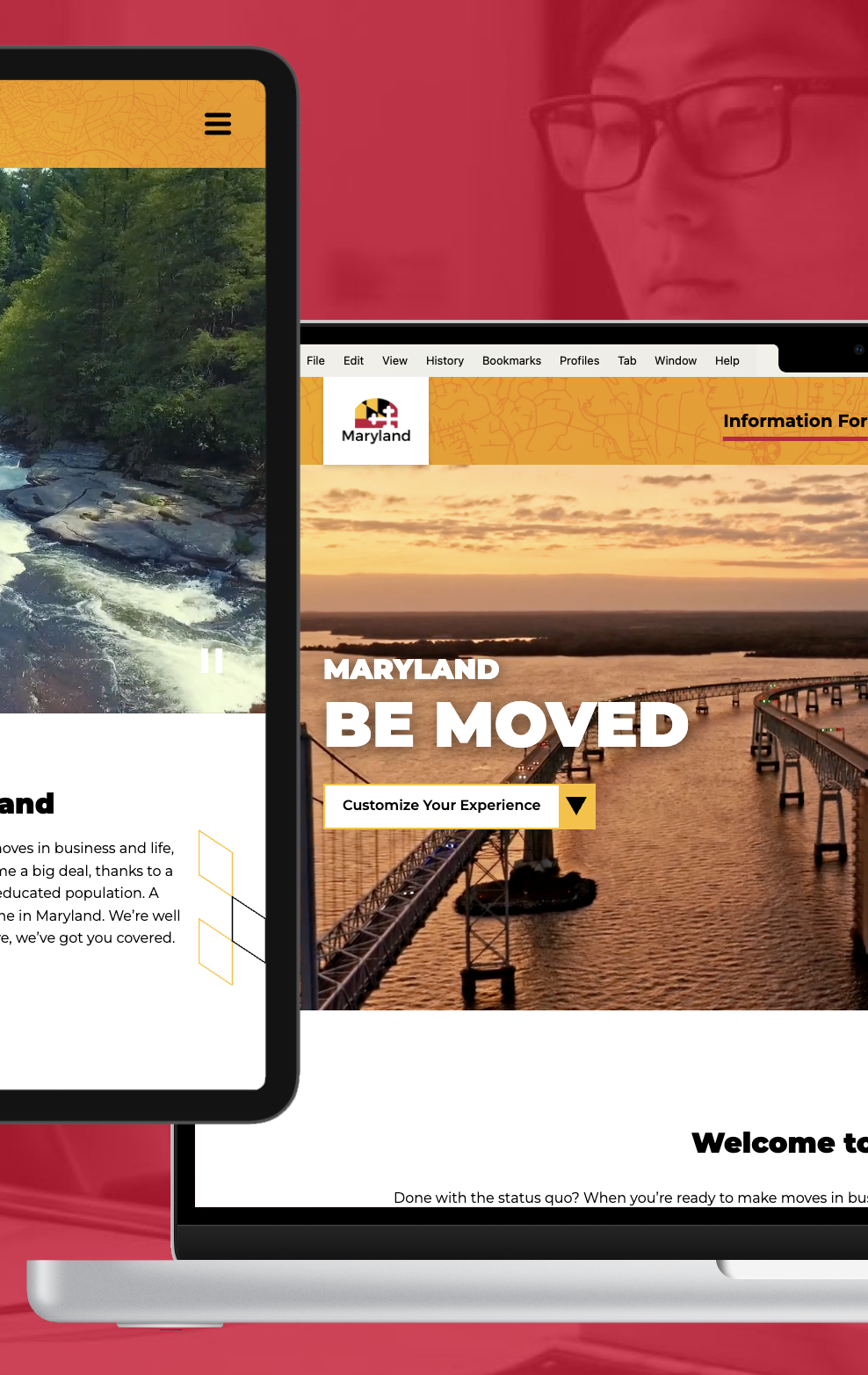
With the microsite established, we turned to business.maryland.gov, re-platforming it from a slow, rigid CMS to WordPress—using the same scalable design system established for the microsite. This allowed MMP to streamline content workflows, unify user experience, and bring more flexibility to editorial updates, blog content, and campaign integration. Our team also managed critical SEO tasks, such as 301 redirects, schema integration, and plugin-based optimization tools to protect and improve search performance post-launch.
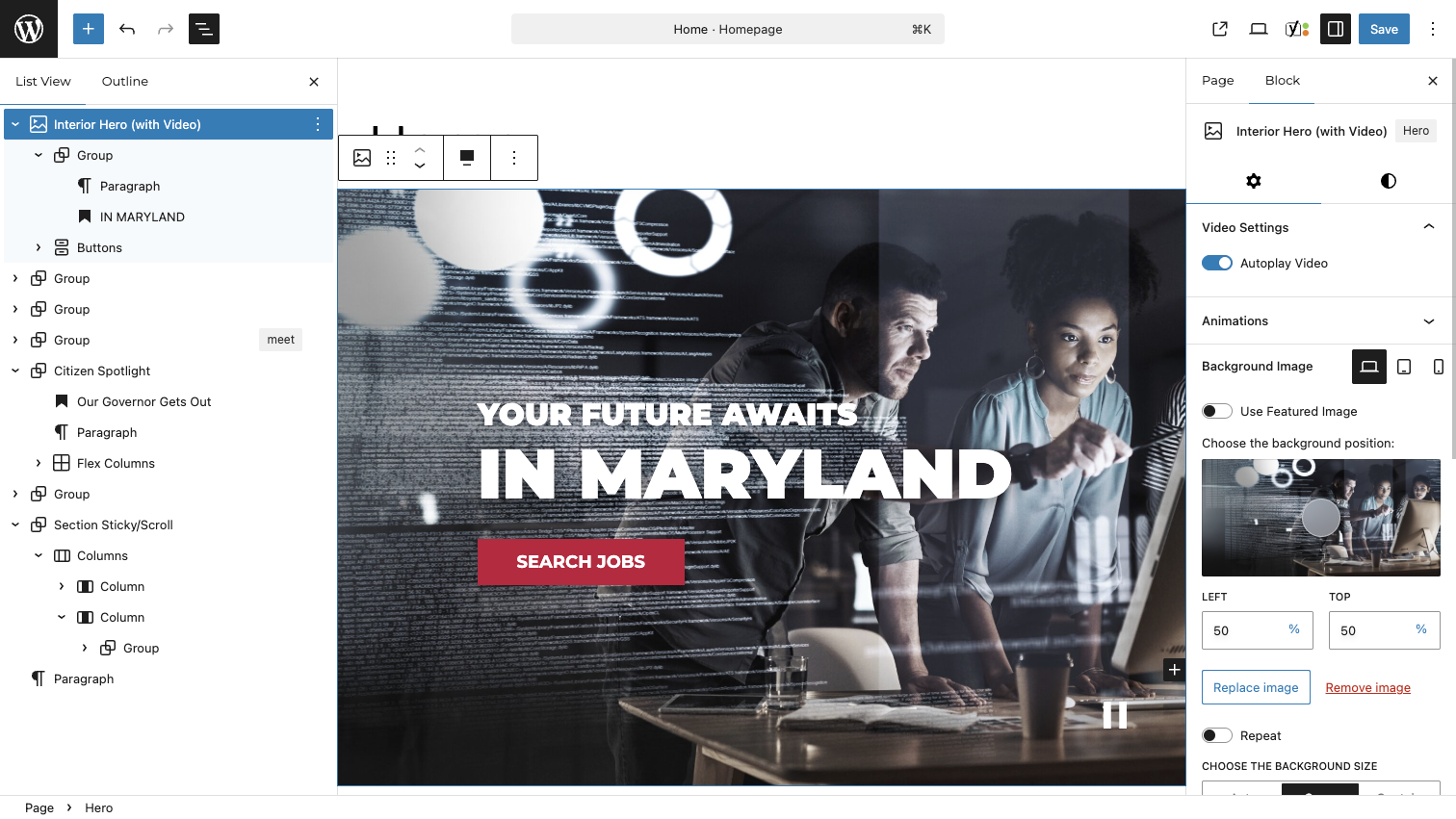
Platform Rebuild & CMS Migration
Planit transitioned both MMP sites to WordPress to solve performance, flexibility, and content management challenges. For business.maryland.gov, this meant replacing a rigid, hard-to-update CMS with a fully customizable WordPress backend—allowing MMP to control everything from blog taxonomy to form logic without developer intervention.
We migrated critical content, implemented a scalable tag-based blog system, and applied a full 301 redirect strategy to preserve SEO equity from sunset pages and outdated blog content. The microsite, LiveWorkMaryland.com, was built from scratch using the same scalable foundation—enabling shared patterns and consistent management across platforms.
Modular Design System
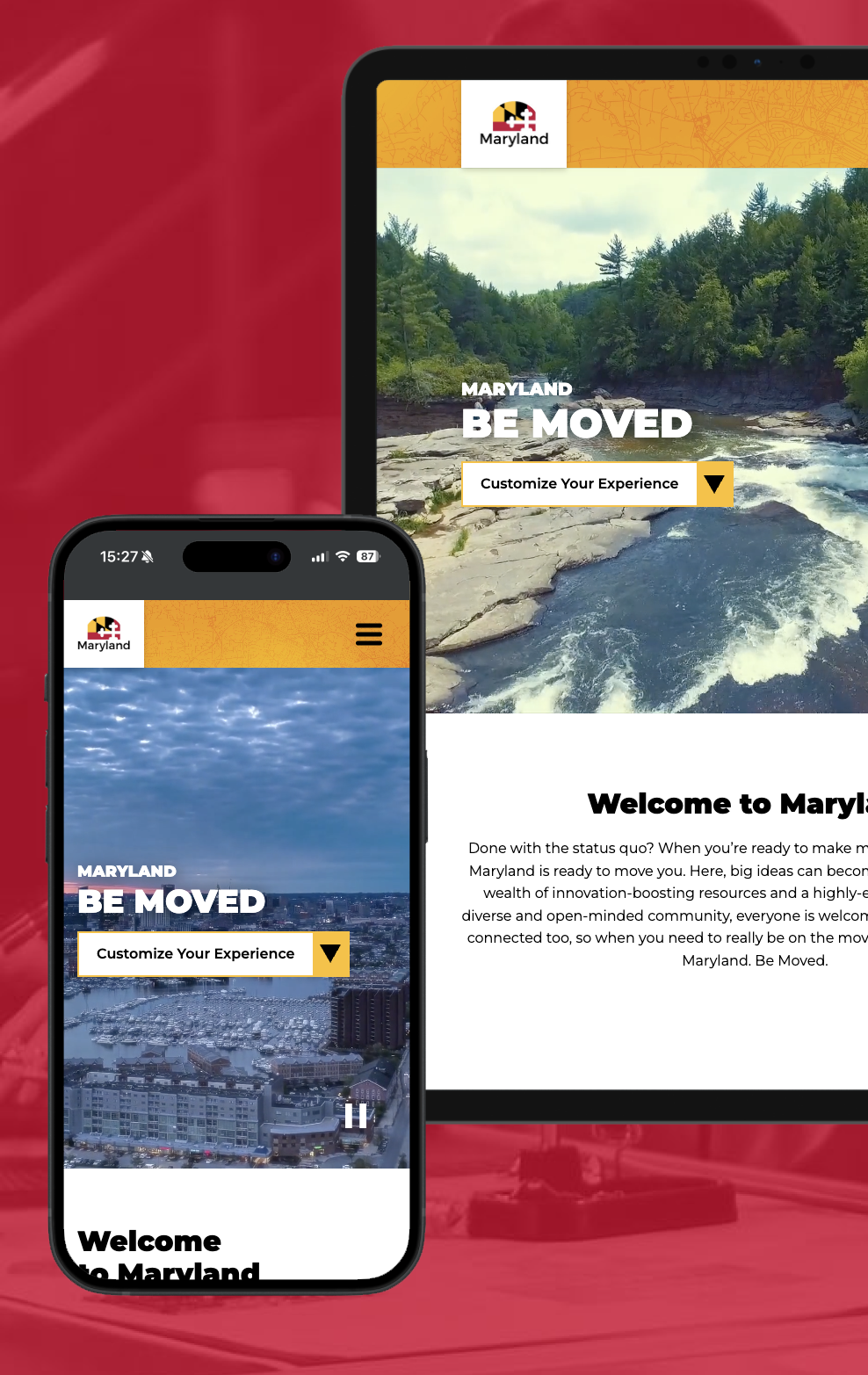
To support both creative flexibility and long-term scalability, Planit developed a modular, component-based design system for use across both sites. This system includes reusable blocks for video, testimonials, job search CTAs, regional highlights, data points, and rankings—empowering the MMP team to build pages that are visually engaging and structurally sound, without custom code.
Each module was built to be mobile-first, responsive, and accessible by default, ensuring consistency across screen sizes and audiences.

Performance & Technical SEO
Performance was a top priority across both builds. We prioritized:
-
Fast load times by optimizing media, limiting plugins, and streamlining front-end code
-
Mobile-first development to align with MMP’s target demographics
-
Yoast SEO plugin configuration to support optimized metadata, canonical tags, and site-wide SEO health
-
A 301 redirect plan to protect rankings during migration
-
Clean URL structures, semantic HTML, and crawlable architecture
These technical improvements laid the foundation for stronger organic visibility and better user experience across both audiences.

Third-Party Integrations
Planit handled all required third-party integrations for a seamless backend experience:
-
GIS Planning API was integrated on business.maryland.gov to support interactive, data-driven content across industries
-
Mailchimp forms were implemented with list-specific routing logic to support campaign-specific lead capture
-
Gravity Forms was used to support custom logic on contact pages
-
Google Analytics & tracking tags were implemented with room to expand for campaign-level attribution
These integrations ensure each site can evolve alongside future CRM, marketing automation, and data needs.
Julie Miller, Digital Content Manager
Maryland Marketing Partnership
Julie Miller, Digital Content Manager
Maryland Marketing Partnership