What National Disability Independence Day Means for Digital Accessibility
Each year, we celebrate National Disability Independence Day on July 26th, and while it might not be as widely known as the other July Independence observance, its impact is felt across many industries, including advertising. This day marks the anniversary of the Americans with Disabilities Act (ADA) being signed into law in 1990—an event that reshaped accessibility and inclusivity in our society.
Why Web Accessibility Should Be on Every Marketer’s Radar
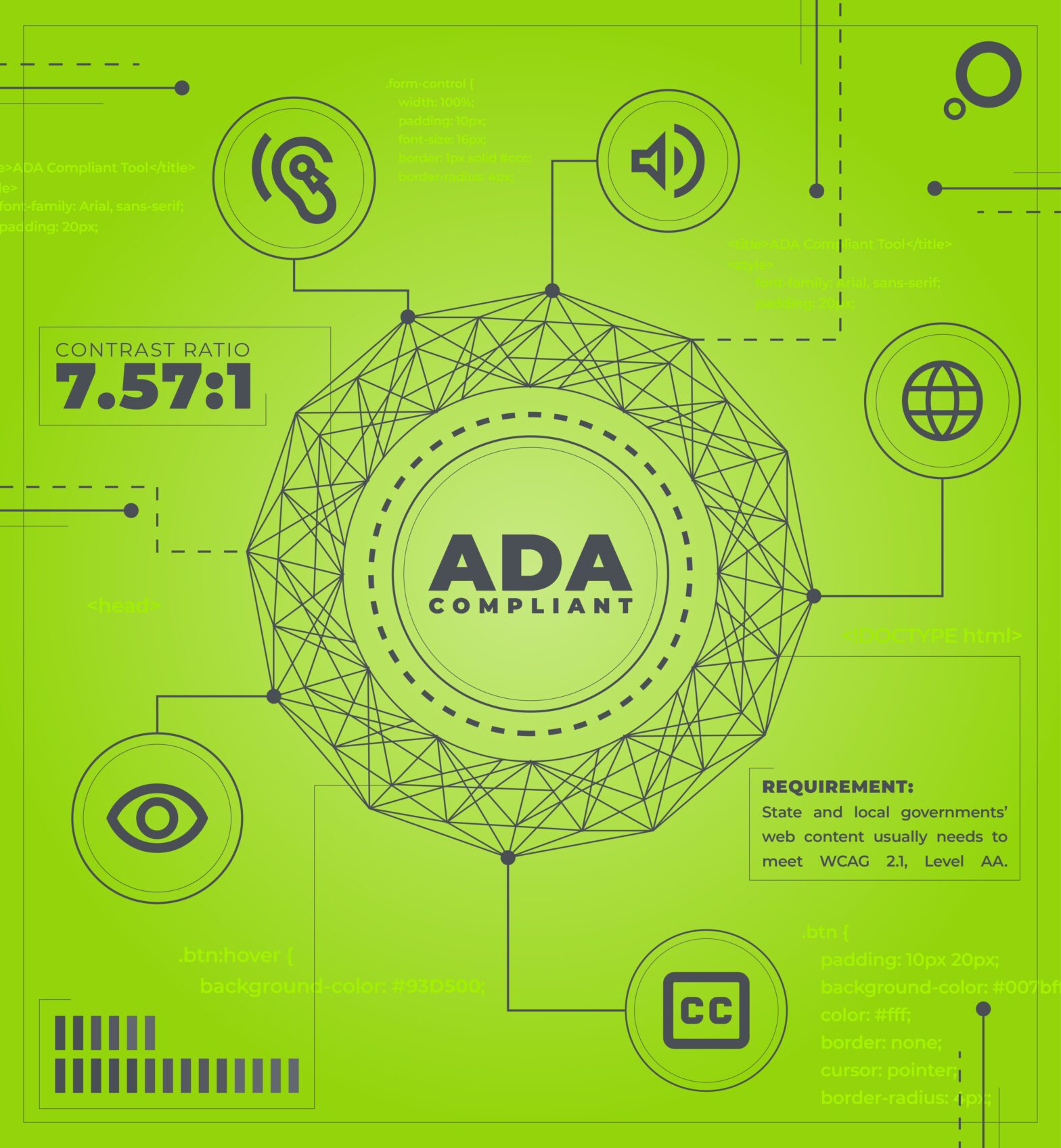
What does all this have to do with Planit, marketing, or advertising, you ask? Well, here we go. The Department of Justice (DOJ) recently rolled out web content accessibility guidelines ensuring that websites and mobile apps are accessible to People with Disabilities. Although these rules are currently aimed at state and local governments, they’re expected to expand to the private sector, and it’s never too early to adopt!
Understanding ADA Compliance for Websites
Why DOJ Accessibility Updates Matter Now
This means that now is the perfect time to chat with your clients about ADA compliance. Even if these regulations don’t directly impact their business (yet), it’s crucial to start the conversation. As advertisers, it’s our job to foresee potential regulations and changes that could impact the way our clients display their work, and this is one of them. Plus, advocating for digital accessibility isn’t just a legal obligation—it’s about ensuring that everyone, including the 16% of the world’s population who experience a significant disability, can engage with the content your brand creates.
Making your website more compliant is a great place to start. You might be curious about your clients’ websites. Spoiler alert: most aren’t accessible to everyone. According to a study by accessiBe, of over 10,000,000 pages audited, a whopping 98% failed to meet basic accessibility standards for something as simple as menu navigation. We can do better!
How Planit Approaches Accessibility in Our Client Work

At Planit, we’ve worked with SourceAmerica, a national non-profit organization that advocates for a more accessible and inclusive future of work, for the last five years. In our work with them, accessibility isn’t an afterthought; it’s baked into everything we do since it’s integral to their mission of increasing employment opportunities for People with Disabilities. From websites to social content, we ensure our work meets rigorous accessibility standards because inclusivity isn’t negotiable. For more information about SourceAmerica and to understand the breadth of their impactful work for the Disability community, check out their 50th Anniversary web page.
To help your brand start its journey toward accessibility, we’ve compiled a list* of red flags to consider in your content creation process. Seemingly small things, like poor color contrast, missing alt text on images, and mouse-only navigation, can create barriers for users with disabilities.
Common Web Accessibility Issues to Watch For
Common Inaccessibility Indicators:
- Poor color contrast
- Use of color alone to give information
- Lack of text alternatives (“alt text”) on images
- No captions on videos
- Inaccessible online forms
- Mouse-only navigation (lack of keyboard navigation)
Big words like “regulations,” “compliance,” and DOJ involvement can sound stressful, but they just ensure content is accessible for everyone. After reading this, we hope that you’ll begin taking small steps toward a more inclusive online environment.
At Planit, we remain committed to creating conversations—among consumers, clients, partners, and ourselves—that make us better, stronger, and more inclusive in our advertising. As SourceAmerica wisely puts it, “true inclusion equals all,” and that applies to work, social settings, and online spaces. So, let’s celebrate National Disability Independence Day by making our digital world more accessible—one alt-text and color tweak at a time. Happy advocating!
*This list is not comprehensive. Read more of the Web Content Accessibility Guidelines (WCAG) here.
Empowerment-Focused CTA:
Accessibility isn’t an add-on—it’s a standard. See how we help brands build inclusive digital experiences that connect with every audience. Explore our accessibility-forward work.
FAQ: Key Questions About ADA Compliance and Accessibility
What is ADA compliance for websites?
ADA compliance for websites means ensuring digital content is accessible to people with disabilities. While the Americans with Disabilities Act doesn’t outline technical specs, organizations follow the Web Content Accessibility Guidelines (WCAG) as the accepted standard for creating accessible websites, apps, and digital experiences.
Why does web accessibility matter for marketing?
Web accessibility ensures every user can engage with your content, which expands reach and improves overall user experience. It also reduces legal risk, strengthens brand trust, and supports inclusive storytelling. For marketers, accessibility can directly influence engagement, conversions, and the performance of campaigns across digital channels.
What are the most common web accessibility issues?
Common issues include low color contrast, missing alt text, images that contain text, mouse-only navigation, inaccessible forms, missing video captions, and content that isn’t readable by screen readers. Even small oversights like unclear link text or unlabeled buttons can create barriers for users with disabilities.
How do I know if my website is ADA compliant?
You can evaluate ADA compliance by auditing your site against WCAG guidelines using automated tools and manual testing. This includes checking color contrast, keyboard navigation, screen reader behavior, form labels, video captions, and overall structure. A full audit typically combines automated scans, assistive technology testing, and expert review.
Are the DOJ’s new accessibility rules mandatory for private businesses?
Right now, the DOJ’s latest accessibility rules apply to state and local governments. Private-sector requirements have not yet been finalized, but regulations are expected to expand. Many businesses are acting proactively since aligning with WCAG standards reduces future risk and helps ensure digital experiences are inclusive for all users.