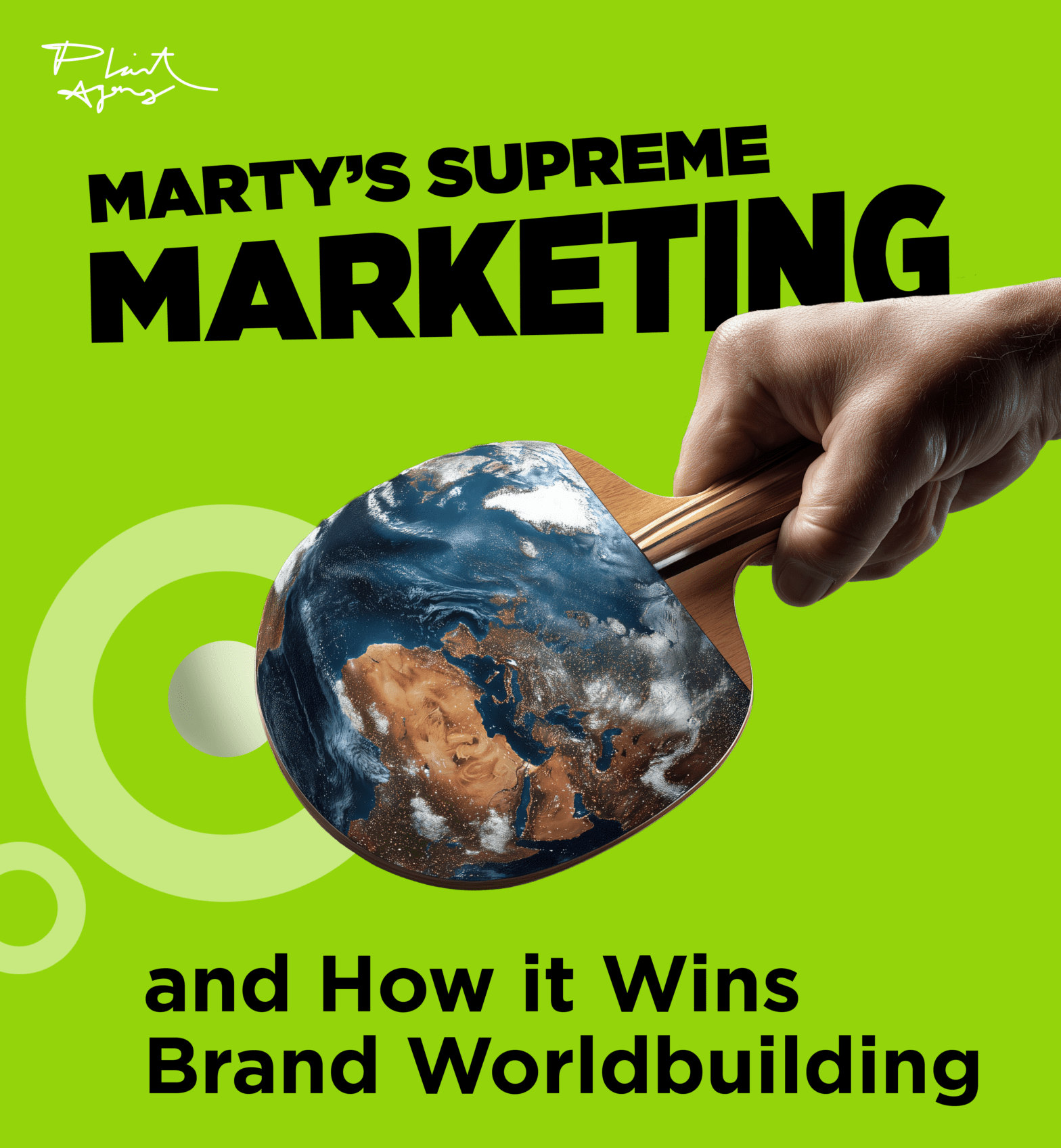
While it’s completely unknown to me why Timothee Chalamet did not win the Academy Award for his portrayal of Bob Dylan, it’s quite clear that the Oscar campaign for his next biopic (of sorts) Marty Supreme is already in full swing.
The campaign for last year’s A Complete Unknown was closely aligned with the aloof figure portrayed. It spanned from Chalamet’s appearance on Saturday Night Live as the musical guest, covering more obscure Dylan songs, to Dylan himself launching a TikTok account, days before the day-long ban. The vast majority of movie-goers knew (or at least knew of) Bob Dylan, and the campaign centered on this known subject.
Marty Mauser, however, is a fictional interpretation of real table tennis legend Marty Reisman, determined to become a champion. With this ambiguity, the character development is intrinsically tied to Chalamet’s own portrayed persona. Nearly a year after his proclamation to “be one of the greats” during his SAG Awards acceptance speech, he is at the center of this meta marketing campaign, driving the conversation.
Unlike his previous film, the promotion of this film requires the introduction of Marty Mauser and the building of his world (more on brand worldbuilding here). Sure the tactics employed in this marketing campaign are specific to a film, but the larger concepts can work for any brand.
Here’s how.
Un-Art Directing
If you’re one of Chalamet’s 19.5 million followers on Instagram (👋), you’ve been seeing promotional content that appears to be designed in-platform by the actor himself. As if he’s sitting there between press junkets, making another visually cohesive post to promote the film.
Aligning with Mauser’s quest to become a world champion, Chalamet has posted images of real famous athletes, like Tom Brady and Misty Copeland, with “Dream Big” scrawled across in corroded orange. Other greats like Kid Cudi are among the subjects who are featured on Chalamet’s Instagram stories, or as collab posts between his account, the film’s account, and the featured great’s account.
Sure, maybe he is making these posts once inspiration strikes, sitting in the back of an Uber Black. Or perhaps, more likely, a creative team designed the content to “appear” more authentic, like each post is an idea volleying in Chalamet’s head and not a pre-coordinated contracted partnership.
Takeaway: Influencer content remains … influential. Whether your brand is contracting actual influencers for partnerships or personifying a content creator, the content should look authentic.
SCHWEP: The consumer, especially the GenZ consumer, buys into a brand when they feel connected to it.
Meta-Marketing
In November, Chalamet posted a Zoom call with the presumed Marty Supreme marketing team. The viral video was all too familiar to just about everyone who’s worked remotely in the past decade and left even marketing professionals thinking (if only for a split second) “is this real?”
The video shows Chalamet satirize the self aggrandizing movie star speaking to a parody team of brand strategists and creative producers. He references a visual designer who takes six months per (not-impressive) project and (seriously) suggests putting his character on the Wheaties box.
Whether it’s Michael Cera singing the praises of CeraVe or Pete Davidson portraying the perfect boyfriend for Reformation, the “leaked” Zoom call proves sometimes the marketing is the marketing.
Takeaway: Self-referential marketing or “meta-marketing” campaigns bring the consumer into the brand’s world. It’s not enough to post on social, the most compelling campaigns play with humor, irony, and the consumer should feel “in” on it.
SCHWEP: Break the proverbial fourth wall between consumer and content.
More on the value of entertainment-first branding here.
The Era of Branding
In the staged Zoom call heard round the world, Chalamet references the blockbuster ad campaign surrounding 2023’s Barbie, specifically the proliferation of the color pink, Barbie Pink. Since Barbie, and it’s 100+ brand partnerships, grossed $1.44 billion globally, the brand takeover strategy is proven to work.
To channel Barbie’s legendary energy, he shares that his visual designer has been meticulously selecting the perfect shade of orange to represent the Marty Supreme brand and even suggests drenching major landmarks like the Statue of Liberty and the Eiffel Tower in that shade of orange. While the Marty Supreme orange isn’t necessarily hardcore, the framing of the film as a brand makes it hard to ignore, whether it’s through pop up activations in New York City or the color of the blimp orbiting Los Angeles.
Takeaway: Everything should ladder back to your brand. Whether it’s social media posts, commercials, or partnerships. If you’re unsure if an asset reflects your brand, reference your brand guidelines.
SCHWEP: If it’s still unclear, maybe revisit your brand itself.
Your brand might not yet be one of the greats, but it doesn’t hurt to start thinking like one. Build a world your consumers feel connected to through authentic content, meaningful partnerships, and a strong cohesive brand, and you too will be a champion.
Sources: AdWeek, Forbes, MarketingBrew